NETGEAR Router Login: Username, Password, & IP Address


 May 7, 2026 6:50 am
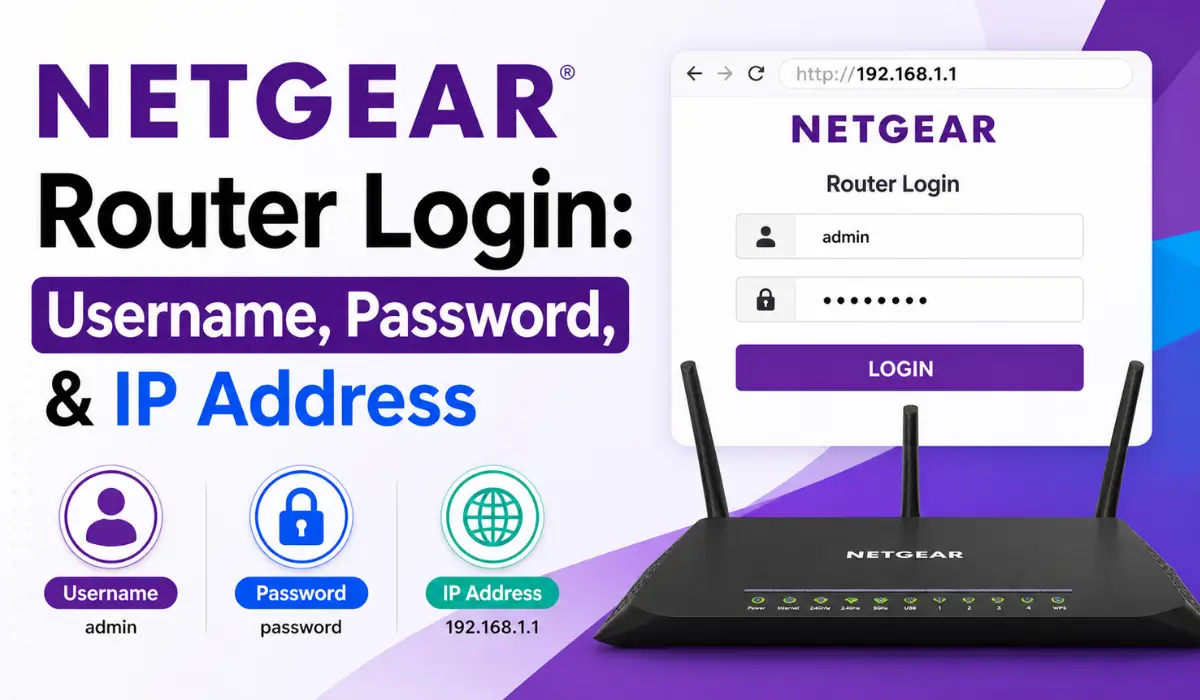
If your NETGEAR router is running slow or you are struggling to get into the admin panel, the login page at 10001loginph.com or the IP address 192.168.1.1 is where most issues get fixed from forgotten passwords and misconfigured settings to firmware updates and wireless password changes.
This guide covers everything about NETGEAR router login in simple steps, whether you are using a Nighthawk, an Orbi mesh system, or any other NETGEAR model, so you can get back in control of your network without any complications.
How to Access NETGEAR Router Admin/Login Page
Getting into the NETGEAR admin panel is straightforward once your device is properly connected. The most common reason people fail on the first attempt is simply being on the wrong network a neighbor’s WiFi, a mobile hotspot, or a corporate VPN running in the background. Before anything else, confirm your phone or computer is connected to the router’s own WiFi network.
From there, open Chrome, Edge, or Firefox and type one of the following into the address bar:
To access the admin page type 192.168.1.1 into your web browser’s address bar or click on the link below.
Based on your local IP address 192.168.1.1, this should be your router admin page. This is only the case if you are on the same network as your NETGEAR wifi router.
Press Enter and the login interface will load. Type admin into the username field and password into the password field both are case-sensitive then click Log In. You are now inside the NETGEAR configuration panel.
If you are on a wireless connection that feels unstable, plug directly into the Ethernet port for a stable, strong wired connection. It bypasses any WiFi handshake issues and makes the login process much more reliable. Clearing the browser cache before your first attempt also removes one of the most common causes of login friction before it has a chance to cause problems.
Disclaimer
This website is created for educational purposes only, and all content is originally written by Arif Khan nothing is copied from any source. We are not affiliated with any brand or company mentioned here. If you have any concerns, please contact us directly before taking any legal action.
Router Login Troubleshooting Tips
Even with the right credentials and a connected device, the router admin page sometimes refuses to load. Here is how to work through the most common problems in order.
Clear your browser cache and cookies first. This is the fix that works most often and gets skipped most often.
- Chrome: Top right menu → More Tools → Clear Browsing Data
- Firefox: Menu → Preferences → Privacy and Security → Cookies and Site Data → Clear Data
- Safari: History → Clear History
If clearing the cache does not help, switch from routerlogin.net or routerlogin.com to the raw IP addresses 192.168.1.1 or 192.168.0.1. Local DNS routing inside a home network sometimes misbehaves, and going directly to the IP cuts around that entirely. A VPN or corporate network running in the background is another quiet culprit disconnect it fully before trying again.
IP address conflicts are worth checking too. If another device on the network has grabbed the same address as the router, the admin panel will not load. You can sort this out from ADVANCED → Router Information once you get access. For firmware-related login issues, the Nighthawk app often provides an easier path to the update section than the browser.
The NETGEAR knowledgebase and Download Center carry model-specific firmware files when a manual update is needed. When nothing else works, a factory reset clears everything default credentials, original SSID, WiFi name, and all personalized configurations start fresh.
Nighthawk App Router Access Method
The Nighthawk app at nighthawk-app.com has become the go-to access method for anyone managing their router from a mobile device. Download it from the App Store or Google Play, connect your mobile device to the NETGEAR router’s WiFi network, open the app, and sign in with your NETGEAR account credentials. The full settings and manage interface loads without typing a single IP address or URL.
One thing worth knowing: some older product documentation still points to the Genie app. That tool is fully unsupported now. The Nighthawk app is the official replacement across all latest NETGEAR routers.
A complete list of supported products is available at kb.netgear.com. If something is not working as expected, the contact page at netgear.com is the right place to reach out, especially if you are trying to access your router settings through 192.168.100.1 Login Admin and need further assistance.
Router Login for Orbi WiFi Mesh Systems
Orbi uses a different login path than standard NETGEAR routers, and that small difference catches a lot of people off guard. The browser portal for Orbi mesh systems is orbilogin.com not routerlogin.net. That is where you access the full configuration interface for both the mesh router and its satellites.
| Access Method | Where to Go |
|---|---|
| Web browser | orbilogin.com |
| Mobile app | Orbi App (App Store / Google Play) |
The Orbi app handles everything the browser does configure satellites, manage connected devices, and monitor WiFi performance across your home.
The system is built for elite whole-home coverage, and having 2 methods of access gives you flexibility depending on what device you are using. Download the Orbi app, connect to the Orbi network, and the interface opens just as cleanly as the standard NETGEAR panel, similar to the experience you get during a Cisco Router Login when accessing advanced network settings.
How to Update My Wireless Router Firmware
Skipping firmware updates is one of those habits that causes problems quietly over time. Every new version brings security patches and bug fixes that directly affect how stable and safe your router is. When an update is available, the router settings page will notify you automatically.
To run the update manually:
- Go to ADVANCED → Administration → Router Update
- If the firmware update assistant finds a newer version, click YES
- The NETGEAR server handles the automatic download and installation
- Do not cut power or reset the router during the process
- The router reboots on its own after roughly 2 minutes
The Nighthawk app also surfaces firmware notifications for supported models, which makes staying up-to-date easier without logging into the browser panel every time.
The knowledgebase and Download Center are the best places to find version-specific files if a manual update is ever needed, especially when accessing the Tenda Router Login page to ensure you download the correct firmware for your device.
Change Login User Password
Changing your NETGEAR router password early in the setup process is one of the simplest security steps you can take. Log into the configuration panel, go into the advanced privacy section of settings, and find the password field.
Enter your old password first, then type a strong new password something long enough and complex enough to actually protect your account and confirm it a second time. Save the changes and your new credentials take effect immediately.
Write the new password down somewhere safe or save it on your device. The recovery process exists, but it is much easier to just keep your credentials somewhere accessible.
Recover Your Password
Losing your router password does not have to mean a full factory reset, as long as the recovery feature was set up when the router was first configured. Open routerlogin.net, routerlogin.com, 192.168.1.1, or 192.168.0.1 in your browser. When the Authentication Required dialog appears, click Cancel instead of trying to log in. This redirects you to the Router Password Recovery page.
From there:
- Enter the serial number printed on the back of the router
- Click Continue
- Answer the two security questions you set up during initial configuration
- Click Continue again and your account opens automatically
The whole process takes seconds with no complications, as long as the security questions were set. A stable and strong internet connection during recovery makes a difference sessions that drop mid-process can create confusion about whether credentials actually reset.
If the browser route feels inconsistent, the second method is to enter the IP address directly into the address bar and start the recovery process in a new window.
Restoring Factory Settings
When security questions cannot be answered and the recovery flow hits a dead end, restoring factory settings is the only path left. It is a clean start, and sometimes that is exactly what a troubled router setup needs.
- Confirm the power light on the router is on and the unit is running normally
- Find the recessed reset button on the back of the router
- Press and hold the reset button for several seconds until the router responds
- Release and wait for the device to reboot
Once it comes back online, the router returns to its factory default state username admin, password password, original SSID, and all personalized configurations cleared. Log in with those default credentials, go to ADVANCED → Router Information to confirm the gateway IP address, and start reconfiguring from scratch.
FAQs About NETGEAR router login
Arif Khan 
Hi, I'm Arif Khan, a qualified Engineer with over 6 years of experience working with router and networking companies across the Philippines. I created 10001loginph.com to help everyday users navigate online platforms with ease and confidence. Alongside my engineering background, I'm also a passionate SEO Expert and Content Writer dedicated to delivering accurate, simple, and reliable digital guides. My goal is simple to make the internet easier for everyone, one guide at a time!