What Is My IP Address: IP Check in Philippines 2026


 May 8, 2026 11:40 am
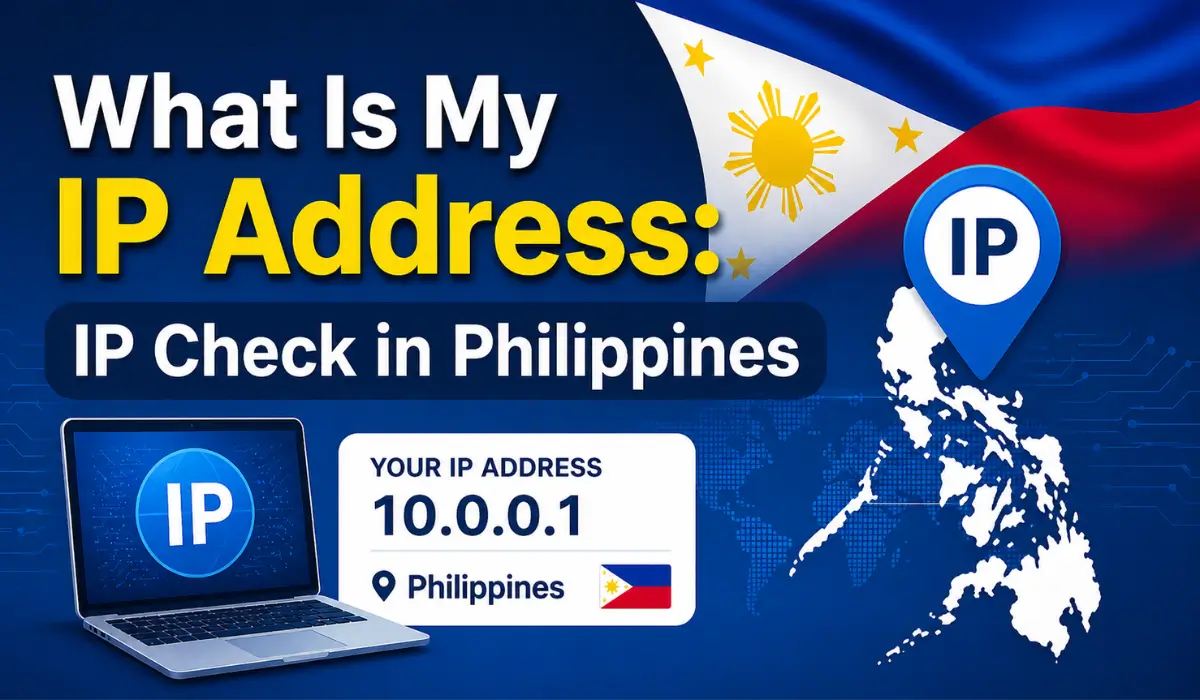
You typed an IP address into your browser and ended up here and that makes perfect sense. This site covers everything about IP addresses, and if you are using the 10.0.0.1 address or any other, knowing what your IP address is and how it works is the first step to staying safe online.
Your IP address is like your home address on the internet. Every time you shop, stream, or browse, your ISP uses it to send data to and from your device. Without it, nothing online would know where to deliver your information. Use the tool below to see your public IP address right now.
Your IP Address
How does an IP address work?
When you connect to the internet, your ISP like AT&T or COX gives your device an IP address. Every time you open a website or watch a video, your request travels through your ISP first. The ISP then sends it to the right place using your IP address.
There are two types of IP address systems used today:
| Feature | IPv4 | IPv6 |
|---|---|---|
| Architecture | 32-bit | 128-bit |
| Total Addresses | ~4.3 billion | 3.4×10³⁸ |
| Format | Numbers with dots | Letters and numbers with colons |
| Example | 102.85.96.1 | 2600:CC40:2200:0000:0000:0000:0000:0002 |
| Status | Most widely used | Growing fast |
IPv4 has been around for a long time and most worldwide ISPs still use it today. But with so many connected devices now phones, tablets, computers, smart TVs the pool of 4.3 billion addresses started running low. IPv6 came in to fix that problem. It has so many addresses that we will never run out.
Your IP address is assigned in one of two ways. Either through DHCP Dynamic Host Configuration Protocol where your ISP gives you a different address from time to time, or through static allocation where your device always gets the same address.
Network administrators usually handle static assignment, while most home users are on dynamic without even knowing it, which is why using a WiFi Password Generator for Philippine Networks can help ensure stronger security across dynamically assigned home connections.
Disclaimer
This website is created for educational purposes only, and all content is originally written by Arif Khan nothing is copied from any source. We are not affiliated with any brand or company mentioned here. If you have any concerns, please contact us directly before taking any legal action.
How do I find out my IP address?
You do not need any technical skill to find your IP address. The easiest and fastest method is to open a web browser, go to this site, and your public IP address will auto-detect and show up right at the top of the home page as soon as the page loads. No buttons, no forms it just displays automatically.
If you want to find your private IP the one your router gives to your device inside your home network you can find that in your device settings. Here is the simple difference between the two:
| Type | What It Is | Where to Find It |
|---|---|---|
| Public IP | What websites and ISPs see | This site shows up automatically |
| Private IP | Used inside your home or office network | Your device network settings |
Knowing your IP address is helpful when fixing connection problems, getting into locked desktop apps, or dealing with online gaming restrictions that block users from certain regions, and it also becomes easier to diagnose network issues when you use an Internet Speed Checker to verify your connection performance and stability.
Why change your IP address?
Think about the last time you used free public Wi-Fi at a cafe or airport. Hotspots like these are full of hackers who look for easy targets. Your traffic everything going in and out of your device can be seen by others on the same network. Your personal info is at risk the whole time.
A VPN fixes this fast. When you connect to a remote secure server through a VPN, your IP address changes, your identity gets hidden, and third parties can no longer see your data. Tools like VeePN also come with NetGuard which blocks ads, trackers, and malicious files while keeping your performance strong.
Here is why people change their IP address:
- Hidden location: No one can see where you are connecting from
- Greater privacy: Your ISP cannot track your browsing, streaming, or gaming
- Complete protection: Ads, trackers, and cyber threats get blocked
- Encrypted link: All your traffic in and out is locked behind a secure connection
- Safety on public Wi-Fi: Hotspots become safe to use when your IP is changed
3 Simple Steps to Protect Your Safety Online
You can get fully protected in just a few minutes. Here is how:
Step 1: Sign Up and Download the Client
Pick a subscription plan that works for you and download the app on your device.
Step 2: Run VeePN and Connect to a Server
Open the app and connect to one of 2,600 server units across 109 locations around the world. One button and you are connected.
Step 3: Browse Safely
From here your internet traffic runs through a private encrypted network. Shopping, banking, streaming, gaming all covered and safe.
What is the best way to protect my IP?
Two tools work best for protecting your IP a web proxy and a VPN. Both send your internet traffic through a remote server and give you a different IP address from another city or country. No other method gives you that kind of control over your location.
| Feature | Web Proxy | VPN |
|---|---|---|
| Coverage | One app at a time | All apps on your device |
| Setup | Through a website or web app | Install once on your device |
| Encryption | Basic | Strong OpenVPN, WireGuard |
| Changes Your IP | Yes | Yes |
| Best For | Quick, simple use | Full device protection |
A web proxy works through a website or web application. It takes your traffic from one app usually your web browser and sends it through a proxy server before it reaches its destination. It only covers that one app though, so the rest of your device stays unprotected.
A virtual private network is a much stronger option. You install it once and it covers all the traffic on your device. It pushes your internet data through a private remote server, gives you a new IP address, and keeps your identity hidden no matter which app you are using, especially when accessing router settings with a Default Password on public or unsecured networks.
How do you hide your IP address with a VPN?
A web proxy just moves your traffic around. A VPN actually encrypts it and that is what makes the real difference. Secure VPNs use strong connection protocols like OpenVPN and WireGuard along with powerful encryption methods like AES 256-bit and ChaCha20. These are the same tools used by security experts around the world.
Here is what happens step by step when you use a VPN:
- Your traffic leaves your device and goes into a private VPN server
- The server hides your web activity before it reaches its destination
- Your ISP can only see that you connected to a server nothing else
- Every app on your device is covered browser, streaming platform, gaming client, everything
The connection protocols OpenVPN and WireGuard keep the tunnel between your device and the remote server locked. The encryption methods AES 256-bit and ChaCha20 make sure your internet data cannot be read by anyone trying to get in, which is especially important when accessing settings through the Tenda Router Login to keep your network secure from unauthorized access.
IPv4 vs. IPv6 Addresses
The type of internet protocol your connection uses decides what your IP address looks like.
IPv4 uses 32-bit architecture. The address is made up of four decimal numbers between 0 and 255, separated by dots like 102.85.96.1. It is easy to read and remember. The big problem is that there are only 4.3 billion unique addresses in this system. As more and more connected devices came online, that pool started shrinking fast.
IPv6 was built to solve that shortage. It runs on 128-bit structure and can produce 3.4×10³⁸ addresses a number so big that running out is simply not going to happen. The format uses eight hexadecimal groups of 16-bit values separated by colons, like 2600:CC40:2200:0000:0000:0000:0000:0002. When a group of numbers is all zeros, the protocol leaves them out for simplicity and uses colons to show where they were.
| IPv4 | IPv6 | |
|---|---|---|
| Bit Structure | 32-bit | 128-bit |
| Total Addresses | ~4.3 billion | 3.4×10³⁸ |
| Format | Decimal numbers with dots | Hexadecimal with colons |
| Example | 102.85.96.1 | 2600:CC40:2200:0000:0000:0000:0000:0002 |
| Running Out? | Yes, pool is shrinking | No, practically unlimited |
Public vs. Private IP Addresses
Your home network actually uses two kinds of IP addresses at the same time most people just never notice.
Inside your home, your router gives a private IP address to every device connected to it your computer, phone, tablet, and any other tech on the network. These private addresses help your devices talk to each other within the local area network without going onto the open internet.
When you go online, your ISP gives you a public IP address. This one is visible to site owners and anyone watching internet traffic. It represents your whole network not just one device on it.
| Public IP | Private IP | |
|---|---|---|
| Given By | ISP | Your router |
| Who Can See It | Websites, site owners, internet | Only devices on your local network |
| Scope | Works across the whole internet | Only works inside your home or office |
| How to Find It | This site auto detects it | Your device network settings |
| What It Identifies | Your whole network online | Each device inside your network |
What information do others have access to when they have your IP address?
Your IP address gives away more than most people think. If someone gets hold of it, here is what they can find out:
- Your country, state, city, and zip code
- Which internet service provider you are using
- A general idea of your physical location
On top of that, websites do not stop at your IP. They also use browser fingerprinting, cookies, and metadata to learn about your browsing habits. When all of that is put together, it builds a pretty detailed picture of who you are online even if your exact identity as an individual person is not fully visible from the IP address alone.
Cybercriminals, third parties, and ISPs all want this data for different reasons. And by default, it is all sitting out in the open unless you do something to protect it, which is why securing access through 192.168.100.1 Login Admin is essential to prevent unauthorized control of your network.
Should I change my IP address?
Yes, and the benefits show up right away, not eventually.
The first thing that improves is your privacy and anonymity. A new IP address hides your browsing, streaming, and gaming from websites, cybercriminals, and your ISP. Services like CyberGhost, ExpressVPN, NordVPN, Private Internet Access, and IPVanish take care of the IP change while also blocking ads, trackers, and cyber threats and many of them improve your performance too.
If you get a dedicated IP, you also get:
- Far fewer CAPTCHAs when you are browsing
- Secure access to business servers and online payment accounts
- A steady virtual location in the countries you choose
On public Wi-Fi, changing your IP turns a dangerous hotspot into a safe connection. Your physical location gets hidden, your ISP gets blocked from seeing your activity, and your shopping, banking, and general browsing all become risk free behind a fully encrypted private network.
The tools are easy to get. The protection they give is real and immediate.
FAQs About What Is My IP Address
Arif Khan 
Hi, I'm Arif Khan, a qualified Engineer with over 6 years of experience working with router and networking companies across the Philippines. I created 10001loginph.com to help everyday users navigate online platforms with ease and confidence. Alongside my engineering background, I'm also a passionate SEO Expert and Content Writer dedicated to delivering accurate, simple, and reliable digital guides. My goal is simple to make the internet easier for everyone, one guide at a time!